

How 3D Interior Visualization Is Changing Property Marketing in 2026
Why 3D Interior Visualization Matters in Today’s Property Market
You can have a great location, a well-designed layout and high-quality materials, but today, that’s no longer enough to sell a property.
In 2026, buyers expect to experience a space before they ever visit it. And that’s exactly where 3D interior visualization has become one of the most powerful tools in property marketing.
From static renders to immersive storytelling, architectural visualization is no longer just a “nice addition.” It’s a key driver of engagement, emotional connection and faster decision-making.
Why visuals matter more than ever
The way people search for properties has changed dramatically. Most of the decision-making process now happens online, often within seconds.
This means your visuals need to:
capture attention instantly
communicate layout and functionality
create an emotional response
High-quality 3D rendering allows potential buyers to understand a space immediately, without needing imagination or interpretation.
And the easier it is to understand a space, the faster the decision.
From empty spaces to lifestyle storytelling
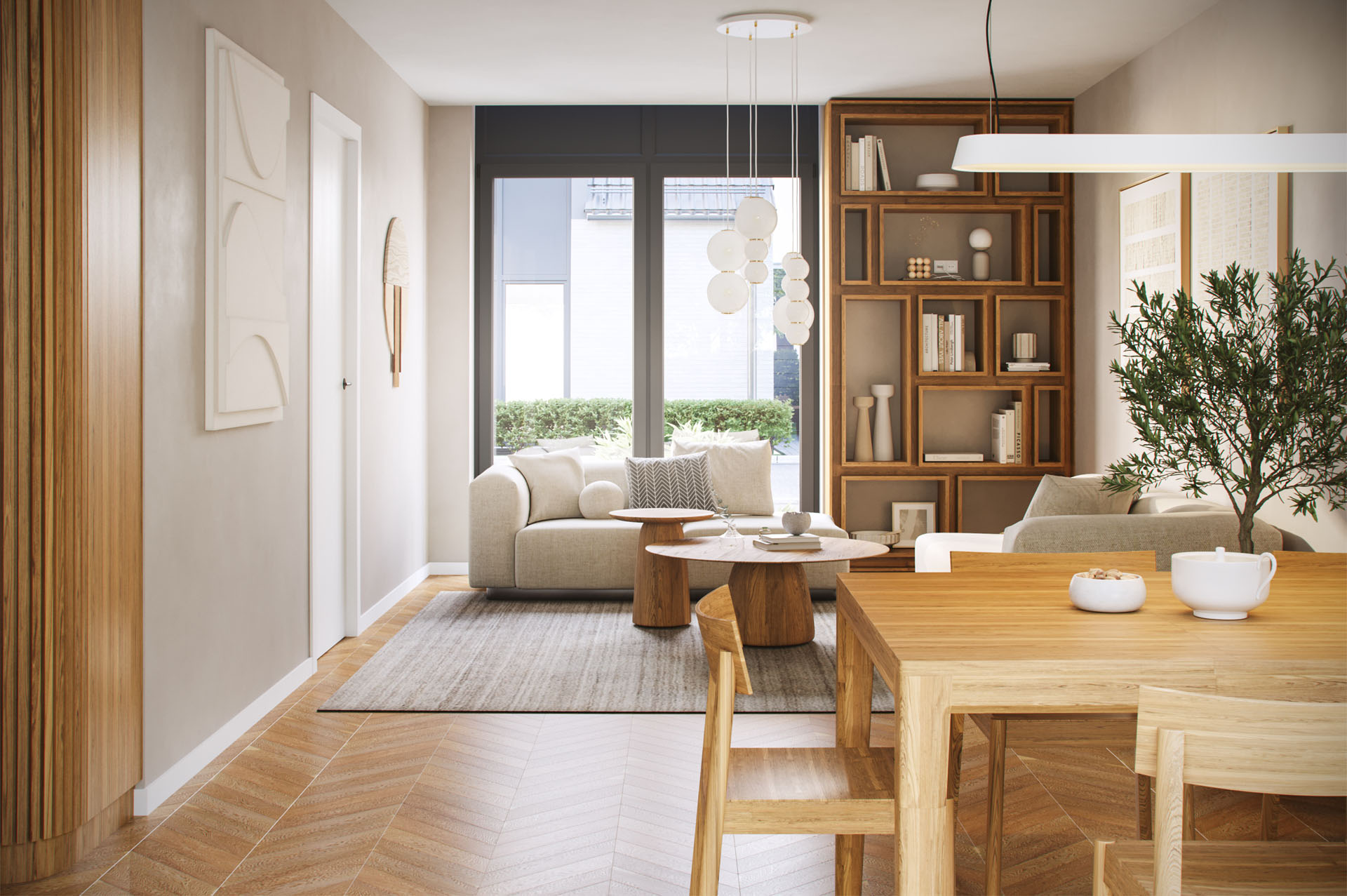
One of the biggest shifts in interior visualization is moving away from empty, technical renders toward lifestyle-driven scenes.
Today, successful visualizations don’t just show interiors, they show how it feels to live in them.
Soft textiles, natural light, greenery and subtle imperfections make a space believable and relatable.
This is where CGI interiors truly stand out. They allow complete control over every detail, making it possible to design not just the space, but the experience of the space.
Lighting, angles and details – the new standard
Modern architectural visualization is all about precision.
Buyers are no longer impressed by visuals that simply “look nice.” They expect realism and clarity.
What makes the biggest difference today:
natural, soft lighting instead of artificial brightness
camera angles that reflect human perspective
balanced compositions with a clear focal point
carefully selected lifestyle elements
These details help the viewer instantly understand both the function and the atmosphere of the interior.

3D animation vs static renders
While still images remain essential, more developers are now investing in 3D animation and architectural animation to present their projects.
Why?
Because motion adds another layer of realism.
It allows viewers to move through the space, understand flow and experience transitions between rooms.
However, static 3D renders are still the foundation, especially for:
landing pages
social media
marketing materials
The most effective strategy is combining both formats.

What buyers expect in 2026
Today’s buyers are more visually aware than ever.
They expect:
photorealistic quality
consistency across all visuals
spaces that feel natural and lived-in
a clear understanding of layout and proportions
Most importantly, they expect to feel something.
Because in the end, people don’t buy square meters.
They buy a vision of their future life.
Final thoughts
3D interior visualization is no longer just about presenting a project.
It’s about making it desirable.
By combining strong composition, realistic lighting and lifestyle storytelling, developers can create visuals that not only attract attention, but actually drive decisions.
And in a competitive market, that makes all the difference.


Leave a Reply