
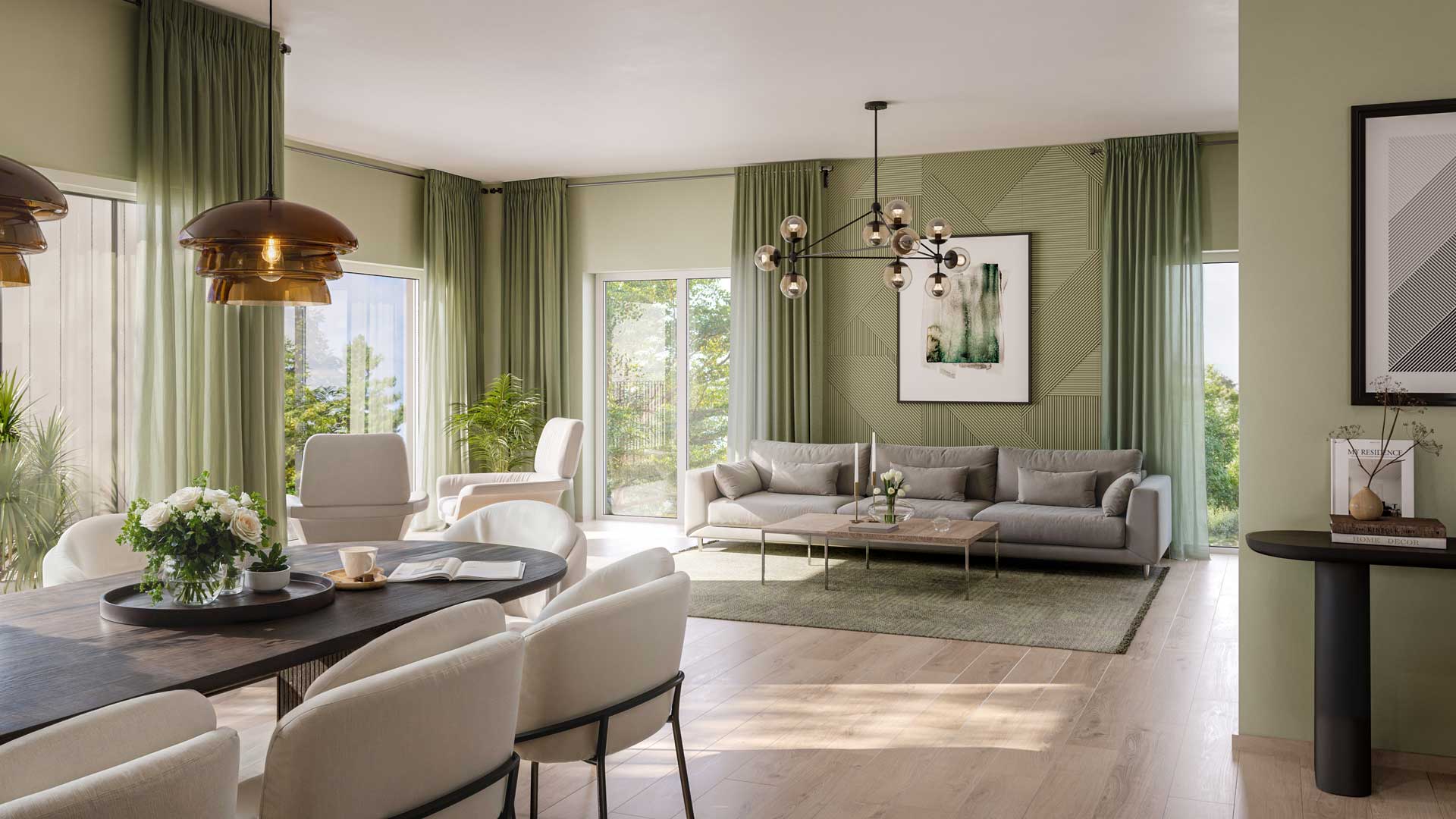
Interior visualizations: which camera angles sell the project best? A practical guide for developers and designers
You can have stunning materials, premium finishes and a beautifully designed layout — but if the visualization doesn’t show the space from the right angle, the project simply won’t “click” with buyers. After working on hundreds of interior visualizations for developers, architects and design studios, we’ve learned one key thing: The camera angle is just as important as the 3D quality itself. A good angle doesn’t just show the space — it sells the story behind it.
The same applies across all types of interior visualizations — residential, commercial or hospitality. When the right perspective is chosen, even the simplest design becomes desirable because the viewer instantly understands the layout, atmosphere and lifestyle behind the space.
Below are the camera angles that consistently generate the most engagement, inquiries and conversions.
1. The hero shot
Every project needs that one image that instantly communicates the mood and style of the space — the “wow moment.” What makes a good hero shot?
-a strong focal point
-balanced lighting
-clear “lifestyle” message
It’s the image that ends up on landing pages, ads and brochures — and very often determines whether a client becomes interested at first glance.
2. Wide angles that show the full layout
Buyers want to understand the flow and proportions of the interior. That’s why wide shots work particularly well in living rooms, open-plan spaces and kitchens.
They help buyers answer:
-How big is the room?
-What is connected to what?
-Where would I place furniture?
A wide shot always plays a key role in the decision stage.

3. Directional shots — looking “through” the space
These shots show the view from one room into another — for example, from the kitchen into the living room.
Why do they convert so well?
-they make the space feel larger
-they show how rooms interact
-they’re very believable and natural to the viewer
Directional shots create a sense of movement and distance that static frontal shots often miss.
4. Detail close-ups
Close-ups on textures, decor and architectural details don’t sell square meters — they sell the lifestyle.
They are perfect for:
-social media campaigns
-print brochures
-premium projects
A good detail shot adds emotion and aspirational value to the whole narrative.
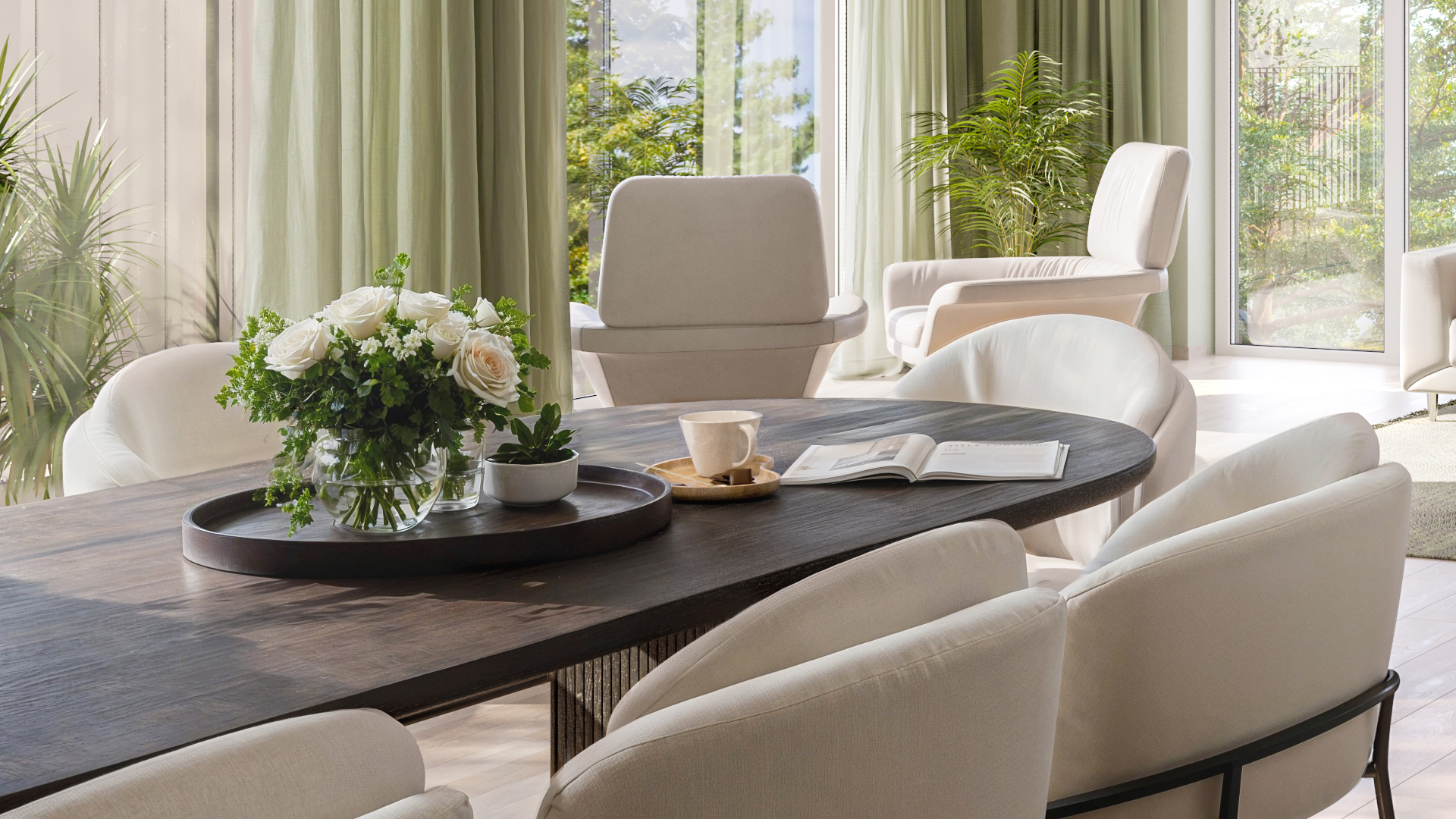


A great example of how wide angles and directional shots work together to communicate both layout and atmosphere can be seen in this Scandinavian apartment project:
https://www.viscato.com/works/interior-for-scandinavian-apartment/
The combination of wide perspectives with more intimate close-ups gives the viewer a complete understanding of the space — from functional arrangement to the emotional feel of the interior.
5. Eye-level perspective
The most natural and relatable viewpoint is the one matching the human line of sight.
Why it works:
-it feels “real” and familiar
-viewers can imagine themselves in the space
-it increases emotional connection
This is the angle that works best in digital marketing and landing pages.
How many angles should a project include?
What we often recommend for residential interior visualisations:
Living room/open plan 3-5
Bedroom 2-3
Kitchen 2-3
Bathroom 2-3
Kid’s room/office 1-2
Final thoughts
Interior visualizations don’t succeed because they’re “pretty.”
They succeed because they: build an emotional response, answer practical questions, give clarity about layout and lifestyle.
Choosing the right camera angles is one of the most reliable ways to help a client imagine living in the space — and ultimately make a faster buying decision

Leave a Reply