
The 3D Glossary: Rendering, Modeling, and Textures Explained
The 3D Glossary: Rendering, Modeling, and Textures Explained
For business owners and managers, a 3D visualization quote can sometimes feel like a list of technical mysteries. However, understanding this 3d rendering glossary is essential to ensure you are getting the best value for your investment. Furthermore, it helps you manage your project’s time-to-market effectively.
When you partner with a high-end agency like Viscato, you are investing in a multi-stage engineering process. In fact, these digital assets are powerful business tools. Let’s break down the essential 3d visualization terminology to help you communicate better with your Project Manager.
Phase 1: What is 3D Modeling?
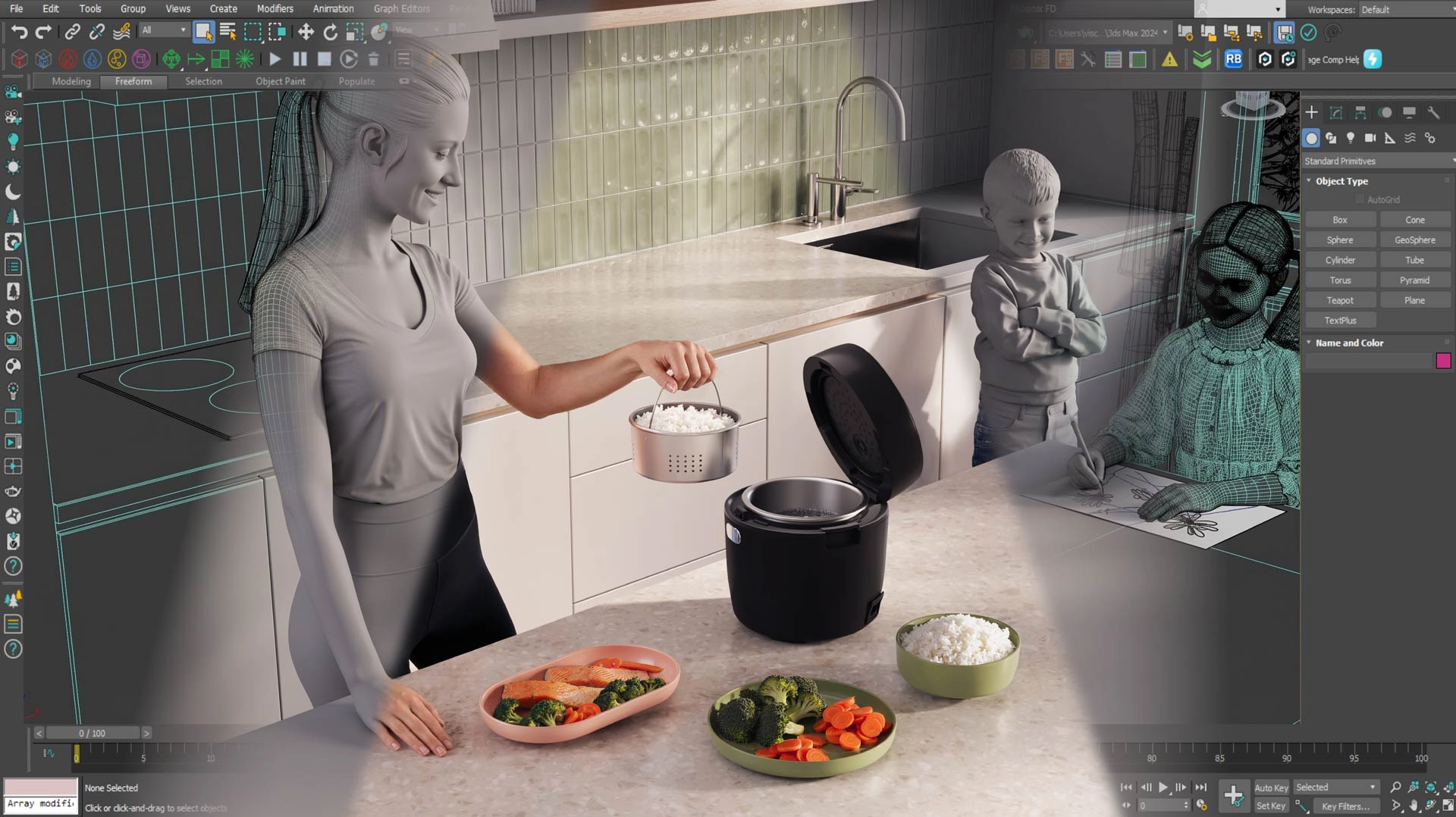
Firstly, every professional project begins with the basics of what is 3d modeling. This stage is the digital construction phase. Specifically, we build a “skeleton” or a “digital twin” of your object based on technical specifications or CAD files.
At this point, there are no colors or lights yet. Instead, we focus on precise dimensions and geometric accuracy. Consequently, this ensures the scale and form of the item are captured perfectly before any marketing materials are generated. This phase is crucial for cost-efficiency and early prototyping.
Phase 2: Texture Mapping Explained
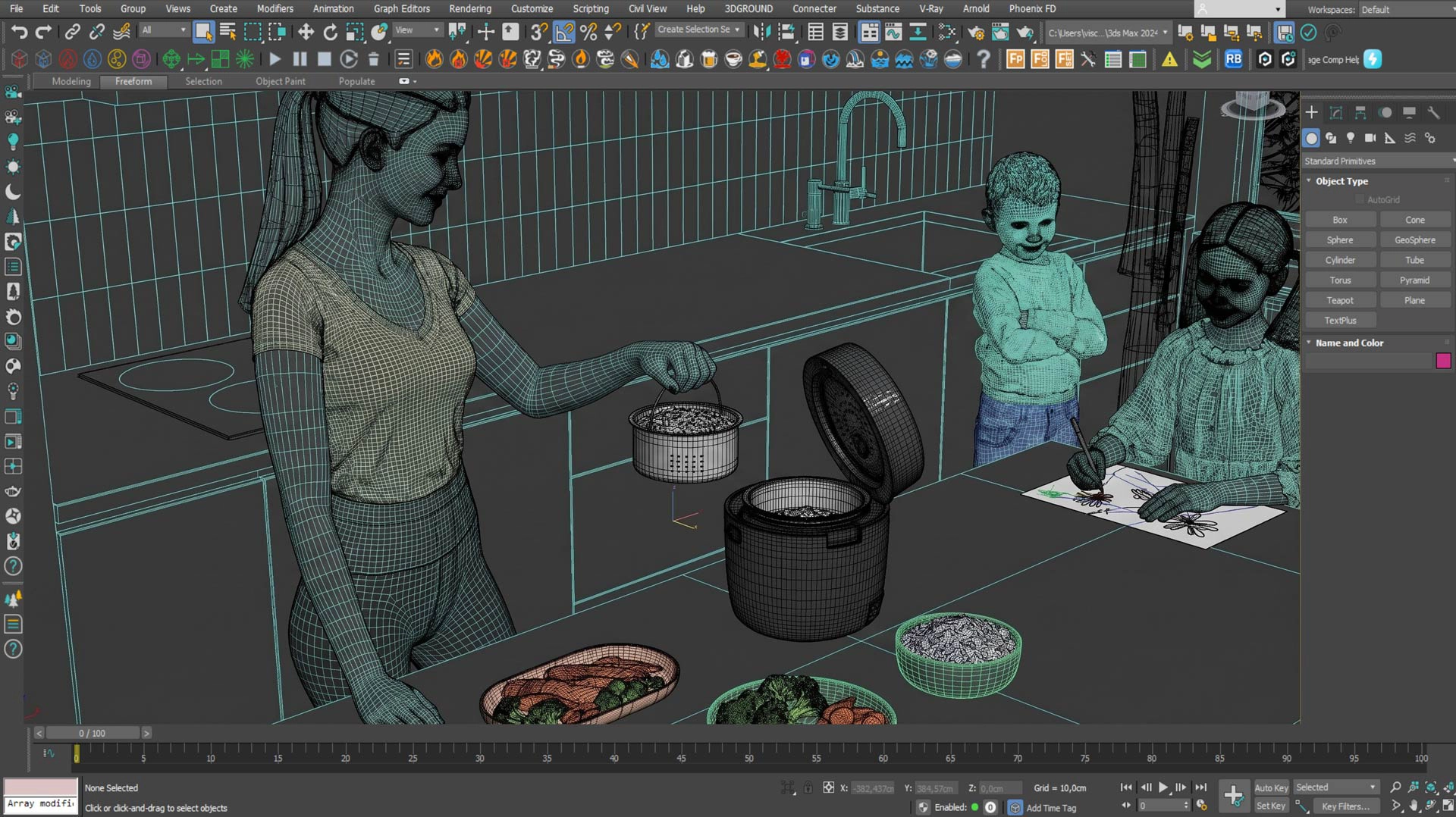
After finalizing the shape, our team moves to the “surfacing” stage. This is where texture mapping explained becomes vital for visual realism. For instance, we apply digital materials like brushed metal, polished plastic, or organic fabrics.
Moreover, this phase offers incredible scalability for your marketing needs. We can change materials or colors instantly without the need for physical samples. As a result, you get a highly versatile tool that outperforms traditional methods in terms of ROI. Actually, this level of detail is exactly what makes our professional 3D Product Visualization so effective for modern E-commerce brands.
Understanding Materials and Shaders
Diffuse: This is the base color or pattern of the surface.
Specularity: This determines how the object reflects light (shiny vs. matte).
Displacement: In addition, this adds physical depth to textures for extra realism.

Phase 3: Lighting and Environment
Next, our artists must “light” the virtual scene. This step is a core part of professional 3d rendering terms. Furthermore, we set up virtual studio lights and environments to highlight the best features of your design.
Consequently, we create a specific mood that attracts your target B2B audience. Proper lighting transforms a simple digital object into a premium, desirable asset. Therefore, it is a key element in driving successful pre-sales and interest.

Phase 4: The Final Render
Many clients often ask about the difference between modeling and rendering. To clarify, modeling is the act of building the object’s shape. In contrast, rendering is the computational process of generating the final high-resolution image.
Finally, the computer calculates how light interacts with the textures we created. This is a resource-intensive process. Thus, you receive the photorealistic visuals needed for your websites, catalogs, and presentations.

Optimize Your Investment with Viscato
In conclusion, understanding these technical stages allows you to better manage your project timelines. At Viscato, we provide a transparent process with dedicated Project Managers. Because we translate complex 3d rendering terms into business results, you can focus on your core strategy.
Are you ready to elevate your brand with high-end visualizations? Contact Viscato today for a professional quote within 24 hours.


Leave a Reply